
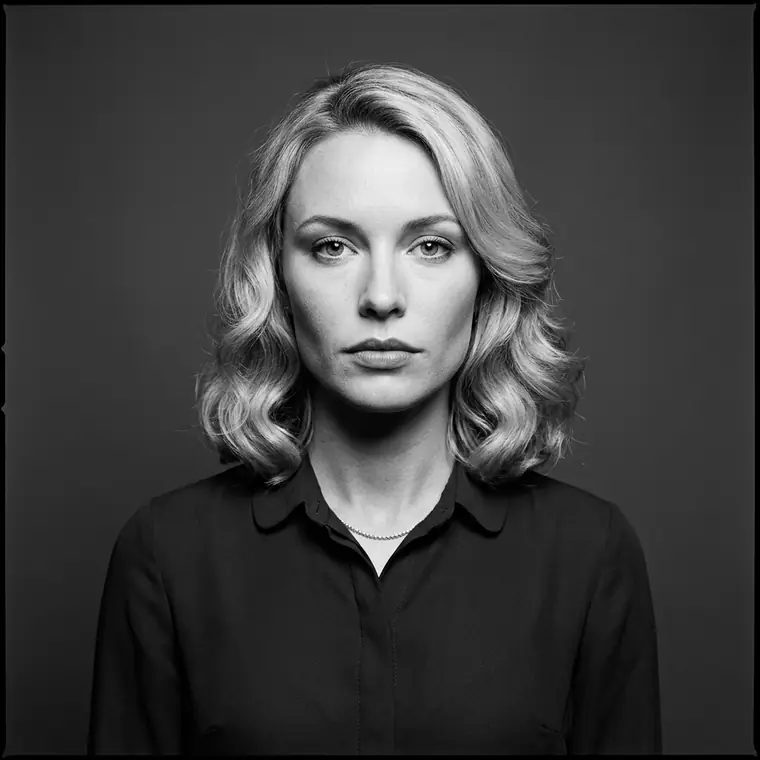
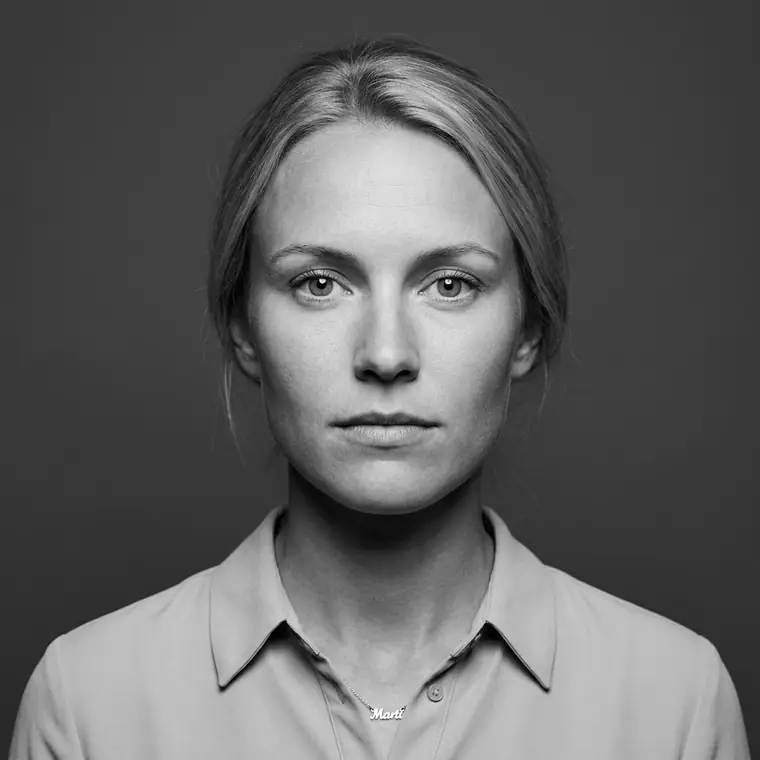


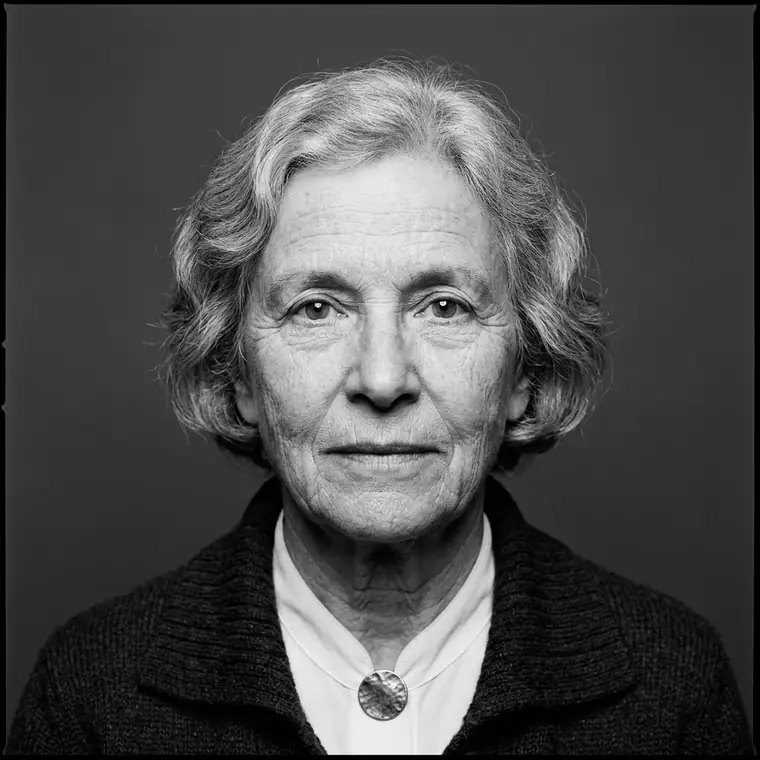
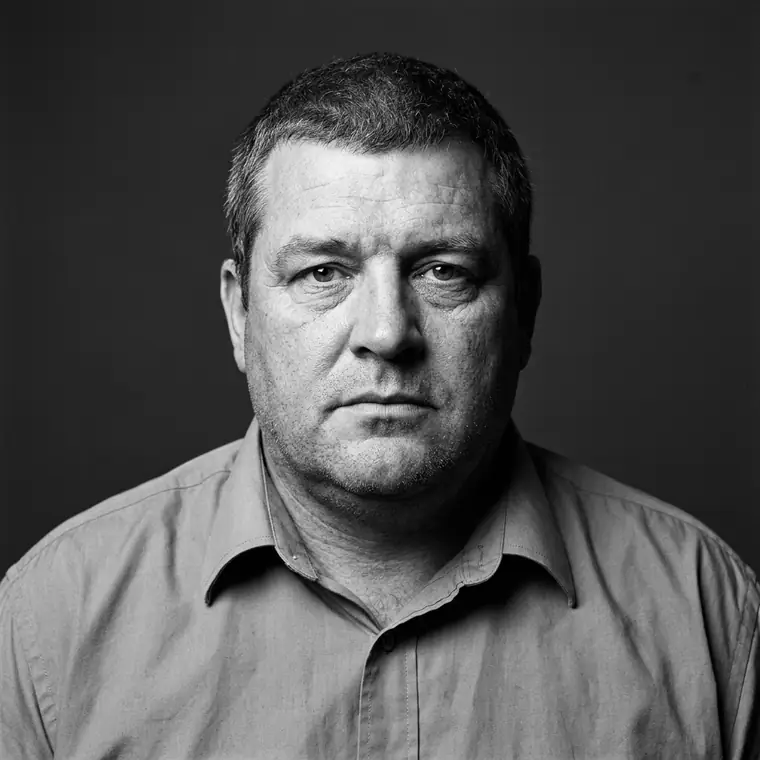

Retrovision
What if memories could testify?
A novel by Robert W. Termanini, MD
To save his dying daughter, neurosurgeon Samuel Becker secretly grafts a piece of his murdered lover’s brain into hers.
Amelia lives.
Then she starts reliving a death she was never there to see. A greenhouse she has never entered. A hand closing on a throat four inches above her own.
She is seven years old when she takes the witness stand against the man who killed the woman she is carrying.
Upmarket Speculative Thriller
“The medicine is real. What the novel asks it to do is not.”
Robert W. Termanini, MD
“What must the child pay for the parent’s sin?”
I am a medical doctor and neuroscientist. RETROVISION is my first novel.
Retrovision
Upmarket Speculative Thriller
"What if the only living witness to a murder was never there?"
In 1979, neurosurgeon Samuel Becker finds Marta Christensen, the young Danish woman who had nursed his dying mother and whom he has loved in secret, bleeding to death in his family’s greenhouse after an attack no one else witnesses. In the aftermath, with the Becker estate destroyed, Samuel does what no physician should. He removes and preserves a small sample of Marta’s cortical tissue. It violates every ethical line he has sworn to hold, and he does it anyway, unwilling to let her vanish completely, keeping the one part of her that might still hold who she was.
Twelve years later, when his daughter Amelia is six, Samuel discovers a glioblastoma consuming the temporal-parietal cortex of her brain. He performs the resection himself. In the moment when her survival narrows to an impossible choice, he grafts Marta’s preserved tissue into the surgical bed. The procedure is unprecedented, unauthorized, and undocumented. Amelia lives.
After the surgery, Amelia begins producing sensory fragments connected to a night she could not possibly have witnessed. A greenhouse she has never entered. The pressure of a hand at her throat. A Danish word for beloved she has never been taught. The case has been closed for a decade. With her testimony, it begins to come apart, and so does Samuel.
The Book
RETROVISION is a multigenerational upmarket speculative thriller about what we save, what we lose in the saving, and what the body keeps after the mind has finished forgetting. It is grounded in clinical realism, surgical anatomy, and the moral pressure of medicine, and built as a slow burn in which the reader knows the killer long before the lawyers do. The medicine in it is not science fiction. The story is.
For Agents & Editors
The full manuscript, a two-page synopsis, and the property’s identity and adaptation materials are available on request to qualified literary agents, editors, and rights professionals.
Request MaterialsHe had saved the worst thing. He had not considered what the worst thing might grow into.
From the Opening Pages
Prologue, Can the Body Testify First? · Lake County, Illinois · October 1991
Amelia Becker was seven the first time her body remembered dying, and the memory was four inches too tall for her.
Mrs. Kaminski gave the assignment twice, because second graders needed it twice.
“All right, class, take your seats and get your crayons out. We’re starting a fun project. I want you to draw a place you remember,” she said. “Your house, your backyard, your grandmother’s kitchen. Any place that is real to you. Use your colors. We’ll share them at the end.”
Chairs shifted. Crayon boxes opened. The classroom filled with the ordinary noise of children making art, and the sound of wax on paper.
It was October, the week before Halloween. Paper bats hung from the ceiling. Orange and black leaves had been taped around the windows. A row of painted pumpkins sat along the top of the bookshelf, each with a different face.
Amelia sat at the third table from the door and flattened her paper with both hands where it wanted to curl. She had already chosen the kitchen at home: the window over the sink, the blue tin where Margaret kept the pencils, the four squares of morning light on the floor.
She picked up the brown crayon and pressed it against the paper. The paper accepted it, and what came out was not a place she had ever been.
Then her hand went somewhere else.
The first line came down long and straight. A second crossed it near the top. Then a third slanted to meet it.
Glass walls. Iron frames. A stone floor.
Her hand filled the roof with panes, small and even, and drew the long, thin frames that held them. Along the top she placed a row of flat ventilation panels, the kind that opened when the room grew too hot. She put in the stone floor. Then the benches, running in ordered rows along both walls.
Green filled them: leaves, stems, the dense, wet life of growing things.
There was a gap in the left row where a pot had been lifted out and not put back.
She drew the gap.
Blue came next. One line high along the wall, with small marks beneath it where water entered through a pipe.
She did not decide how high.
Amelia did not know what she was drawing. Her hand knew. Her hand moved with a confidence that did not belong to her, the strokes sure and architectural, the spatial depth accurate in a way that Mrs. Kaminski would later describe as uncommon in her incident report. Seven-year-olds did not render architectural perspective from memory.
Amelia had seen the greenhouse all her life. It stood on the east side of the estate, attached to the old wing. From the house, she could see its glass roof through the trees.
But the greenhouse outside was broken down. Dirt filmed the glass. Vines had climbed over the iron frame, and weeds had crept up against the walls.
The greenhouse beneath her crayon was different.
Sunlight came through clean glass. Greenery filled the benches in ordered rows. The plants were kept, watered, and trained. Nothing had been left to grow wild.
She had never been inside it.
Her hand knew where everything was.
“That’s pretty,” Lucy Petersen said, trying to smile.
Amelia drew a short blade with a hook at the end.
Lucy stopped smiling.
The smell arrived before the understanding did.
Not the classroom smell of floor wax and pencil shavings and the stale warmth of small bodies in an enclosed space. Something underneath that. Something that entered through a door that was not in the room.
Wet earth, warm from a hand pushed down into a pot that had just been watered. Fertilizer. Cut stems. Green, humid air that had passed through living things and become heavy enough to press against the face.
Amelia’s shoulders rose toward her ears.
She inhaled through her nose, long and slow, scenting it the way an animal scents weather, with the whole face, with the chest, with the part of the nervous system that does not wait for permission.
The smell was still there.
Stronger.
Under the radiator, water ticked.
One small knock every few seconds, moving down the wall from the corner. Amelia knew, before it reached the third bench, that it would reach the third bench.
The brown crayon rolled from her fingers, crossed the paper, and stopped against the ruler at the edge of the table.
She reached for it.
Her hand stopped four inches short.
Her fingers closed on empty air. She looked at her own hand sitting there in the wrong place. Four marks of the ruler lay between her fingers and the crayon.
Her arm was too short.
That was the shape of the wrongness. She had no other words for it. Her hand had gone out to where her hand went, but where it went was farther than she could reach.
Four inches separated her fingers from the crayon.
Four inches that belonged to someone else.
She reached again.
Four marks.
She pressed her palm flat against the table until her fingers went white. Pressing down was something she could feel from both ends, and for as long as she pressed, the arm was hers.
Then she lifted it, and it was not.
Behind her, a chair leg scraped across the linoleum.
Another chair moved.
Someone said her name in the high, wrong voice children used when they wanted an adult and could not get one.
Amelia’s left hand went out in front of her.
She expected the wall to be there.
Her fingers stopped short.
She reached farther, and her palm found the wall, but the iron strip between the panes remained four inches beyond her fingers.
Flat. Cool along the top, warmer lower down where the sun had rested on it all morning.
She pressed.
It held.
“Glass,” she said.
A voice came from somewhere below her, close to her face.
“What glass, Amelia?”
She could not spare any of herself to answer. Her hand kept moving along the wall, feeling for the seam.
Behind her, the classroom went quiet in sections.
The quiet had a shape in it.
Something was standing where the tables should have been.
Her body knew it before she turned. It knew the size of the thing, how much floor it occupied, and that it was between her and the door.
Her chest emptied and refilled, fast and shallow, the breathing of someone trying not to be found.
Then the pressure arrived at the front of her throat.
It was thin and hard. It sat higher than her throat went.
Her hand flew up to pull it away.
Her fingers stopped beneath it.
She dragged them upward, searching for the chain, but the pressure stayed just beyond her grasp. Her nails entered the skin beneath her jaw and left red lines there.
There was nothing to take hold of.
What is done to us we carry,
and carry forward…
until someone refuses to pass it on.
Speaking
“What does it cost a person to speak the truth out loud, and what does it cost them to stay silent? It is the question beneath my fiction, my medicine, and every room I have spoken in.”
I speak to audiences who want intellectual depth delivered with emotional intelligence and narrative force. I have developed a substantial body of public speaking material across medicine, neuroscience, mental health, and human behavior.
Drawing from expertise in medicine, neuroscience, human behavior, and a literary engagement with the human condition, my talks move between scientific insight and human story. They are written for audiences who do not want to choose between rigor and accessibility, and who would rather leave a room thinking than leave it cheered.
Signature Talks
- The Brain as Storyteller: memory, narrative, and the architecture of identity.
- Inherited Trauma and the Body as Archive.
- Forensic Truth and the Architecture of Secrecy.
- The Neuroscience of Grief: what loss does to the architecture of memory.
- Why Physicians Read Fiction, and Why Fiction Reads Physicians.
- The Cognitive Science of Suicide Prevention.
- Physician Suicide, Burnout, and the Long Work of Staying in the Room.
- Attention, Time Blindness, and the ADHD Brain: what the neuroscience actually says.
Available for Booking
Available for universities, medical institutions, literary festivals, professional conferences, and healthcare, technology, and knowledge-sector audiences. Topics can be adapted for keynote lectures, moderated conversations, panels, workshops, and institutional events.
Inquire for BookingPress & Media
"I write for readers who want the crime solved, but also need to know what the crime did to everyone who lived."
Current Work
In Submission
RETROVISION
What if memories could testify?
RETROVISION is a 111,000-word upmarket speculative thriller. Press materials for RETROVISION are available for advance coverage and interview requests.
Available materials on request include the full manuscript, one-page and two-page synopses, an editorial synopsis, author photographs, biographical material in three lengths, and a one-page property summary suitable for editorial assignment briefs.
Request RETROVISION Press MaterialsFeatured Book
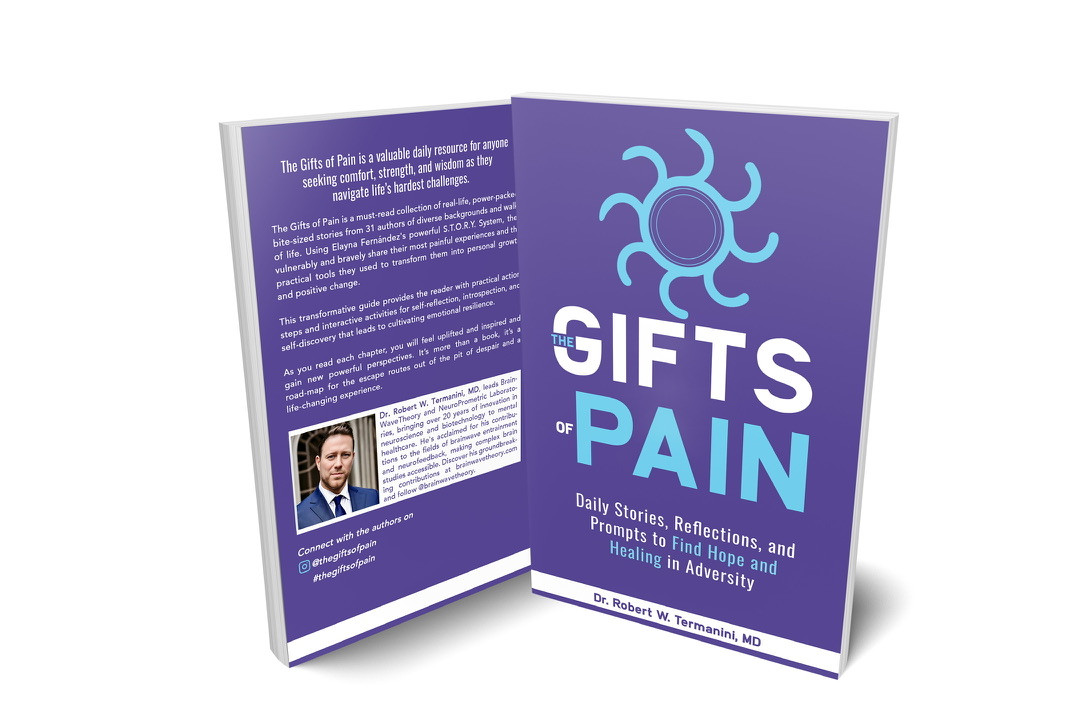
#1 Amazon Kindle Bestseller, February 3, 2024
The Gifts of Pain, Volume 1
Daily Stories, Reflections, and Prompts to Find Hope and Healing in Adversity
“A valuable daily resource for anyone seeking comfort, strength, and wisdom as they navigate life’s hardest challenges.”
A collection of real-life stories from 31 authors of diverse backgrounds, using Elayna Fernández’s S.T.O.R.Y. System to transform painful experience into practical tools for growth and change.
Contribution
Chapter 7: “From Impossible to I’m Possible”
Reached #1 simultaneously in Personal Transformation, Journaling, and Journal Writing Self-Help on launch day.
View on Amazon →Broadcast Coverage

Syndicated across more than 100 broadcast affiliates nationwide, including FOX, CBS, NBC, ABC, and CW stations, plus AP News and regional and international press.
In Progress
Neural Rhythms and Mind Mechanics: The Academic Encyclopedia of Brainwave Entrainment
Full manuscript complete, in preparation for academic press submission.
For Journalists
Robert W. Termanini, MD is available for interviews on the following subjects:
- →The neuroscience of memory and the architecture of experience.
- →Inherited trauma and the body as archive.
- →The forensic and ethical territory at the intersection of medicine and law.
- →The cognitive foundations of narrative and the craft of fiction.
- →Medical ethics and the moral demands of clinical practice.
- →The mind under threat: what neuroscience has taught us about violence, witness, and recovery.
- →Why a physician writes fiction.
Press Resources
High-resolution press photographs, biography in short, medium, and long forms, and a one-page property summary are available on request.
Request Press KitProfessional Links
Contact
Agents, Editors & Rights
For agents, editors, foreign rights, adaptation, press, speaking, and professional inquiries:
robert@drtermanini.comA Note on Correspondence
I read every message that reaches me directly, and I reply personally. Inquiries sent to the address above are read with care.
Media on deadline: Journalists with a publication or broadcast deadline should note the deadline in the subject line. Time-sensitive press inquiries receive priority response.